A Practical Look at the Weaved Quilting Embroidery Design
As a designer who frequently embroiders for clients and my own small shop, I approach every new machine embroidery design with a practical eye. It’s not about whether it’s pretty on screen, but how it will perform on fabric, in a hoop, and in the hands of a customer. Let’s walk through what stands out about the Weaved Quilting Design and where I see its real-world potential.
The First Impression: Texture and Quiet Comfort
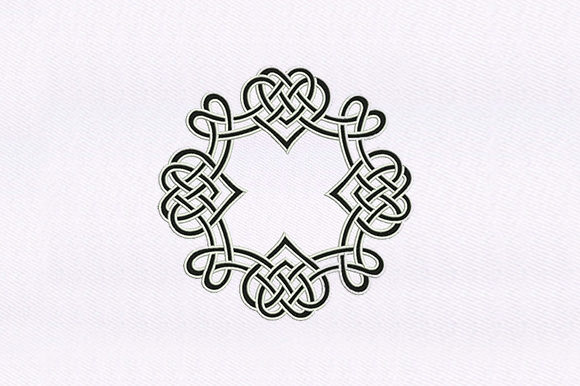
Opening this embroidery file, my immediate thought was “texture.” The interwoven pattern creates a sense of quiet, tactile comfort. It doesn’t shout; it invites closer look. This is a Bedroom category design that truly earns its place—it feels like a soft, woven blanket or a delicately textured pillow cover. The layout is balanced and repetitive, which speaks to a classic, timeless visual personality. For crafters making handmade products for a cozy, homey vibe, this design hits the mark without being overly themed or seasonal.
Where This Design Finds Its Natural Home
I picture this design stitched out on a natural linen pillow cover for a boutique bedding line. But its application is wider. The woven theme translates beautifully to:
- Custom apparel like the front panel of a relaxed, high-quality sweatshirt.
- Tote bag design for a crafty, artisanal look.
- Baby embroidery on a heirloom-quality blanket or nursery decor item.
- Pillow covers and tea towels for a cohesive home collection.
- As a embroidered patch applied to a canvas apron, adding a touch of handmade professionalism.
In a real-life scenario, imagine preparing a custom wedding gift—a set of embroidered kitchen towels with this pattern. It’s elegant enough for the occasion, neutral enough to match any kitchen, and the texture suggests quality and care. For an Etsy seller, this kind of design can anchor a whole collection of “cozy home” small shop products.
Performance Considerations: Where to Use Carefully
The beauty of a woven pattern is in its detail, but that detail requires thoughtful execution. Here’s where I’d proceed with caution:
- Small hoop sizes: If the design is scaled down significantly, those woven lines could lose clarity. Test first.
- Textured or stretchy fabrics: On a thick sweater or a stretchy cap, the stitch density needs to be supported by the right stabilizer to prevent distortion.
- Dark fabric backgrounds: The success of this pattern relies on thread color contrast. On black fabric, you’d need to choose bright, contrasting threads to make the weaving pattern pop, otherwise it might look muddy.
- Products needing frequent washing, like baby clothes, demand excellent stitch integrity. A fill stitch in dense areas must be secure.
The design likely uses a combination of satin stitch for outlines and fill stitch for the woven blocks. On thin fabrics like a standard t-shirt, a sturdy stabilizer is non-negotiable to prevent puckering.
A Note on Commercial Use and File Preparation
This design comes in a wide array of embroidery file formats (10O, ART, CND, DSB, DST, DSZ, EXP, HUS, JEF, PCS, PEC, PES, TAP, VIP, VP3, XXX). That’s a strong point for digital product sellers and commercial embroidery shops running different machines. However, always check the specific hoop size and stitch count from your digitizer before loading it for a client project. Never assume compatibility.
For craft business owners selling finished items, confirming the licensing for finished product sales is a crucial step. When using it for printable mockups or as part of your digital design assets, ensure your usage is covered.
The Impact on Customer Perception and Value
When a customer sees this design embroidered on a product, what does it communicate? It speaks of craftsmanship. The woven effect implies skill and attention to detail, elevating a simple personalized gift into something special. This directly boosts product value and customer trust in your handmade presentation.
For brand consistency, if your shop’s aesthetic is “quiet luxury” or “artisanal home,” this design is a perfect fit. It’s giftable because it’s beautiful but not overly personal—it can suit many tastes. In a craft fair setting, a tote bag with this embroidery would attract buyers looking for unique, well-made boutique branding.
Practical Designer Notes Before You Stitch
Before you commit this design to a client’s order or your next batch of small shop merchandise, run through this quick list:
- Always test the design on scrap fabric first, using the same material and stabilizer you plan for the final project.
- Review the stitch density in your software preview. Are there overly dense areas that might challenge thinner fabrics?
- Check thread color contrast. Run a mental test: how would it look on both light and dark fabric backgrounds?
- For designs with potential tiny details, inspect the corners and lines in a black and white mockup to ensure clarity.
- Confirm the physical hoop size you’ll need. Does it fit your project’s canvas? A large pillow cover can handle a bigger hoop; a cap requires careful placement.
The Weaved Quilting Design is a versatile embroidery project starter. Its strength is in its textured, classic appeal that feels handmade and premium. By pairing it with the right fabric, thoughtful thread colors, and professional technique, you can create products that resonate deeply with customers looking for that special, crafted touch. It’s a design that does its job quietly and well, which is often exactly what a successful creative entrepreneur needs.