Crafting with Confidence: The American Bully Dog Embroidery Design
As an embroidery designer preparing for a weekend craft fair, every design in my library gets a critical review. I’m looking for assets that will not only stitch beautifully but also command attention on a crowded booth table. Today, I’m evaluating the American Bully Dog Design for a range of handmade market products.
First Impression: Bold, Modern, and Full of Character
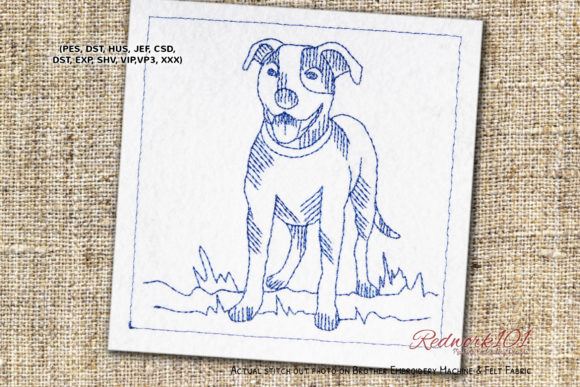
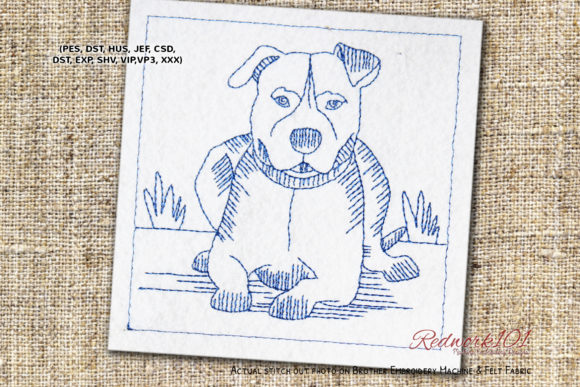
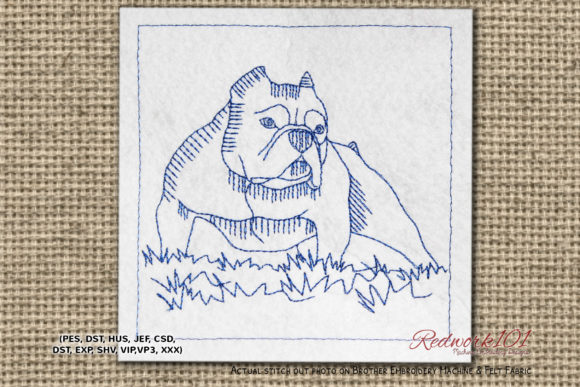
Right away, this American Bully Dog Design strikes me as a confident, modern piece. It leans into a bold illustrative style rather than cute or overly rustic. This gives it a premium feel that can elevate a simple product. The note about the optional box stitch is particularly interesting; it suggests the design can adapt. On most products, skipping the outer box color directly would create a cleaner, more integrated look, letting the powerful dog silhouette stand alone as a focal point. This flexibility is a designer’s dream for brand consistency across different items.
Product Performance: Where This Design Shines
When I visualize my booth display—tote bags, aprons, tea towels, caps, and pillow covers—I immediately see strong applications for this dog embroidery design.
For tote bags and market bags, this design offers a fantastic focal point. Its bold nature translates perfectly to a larger scale, creating a statement piece that customers will notice from across the aisle. On aprons, especially in a modern kitchen or workshop style, it adds personality without being fussy. As an embroidered patch, it becomes a versatile, giftable item for dog lovers to apply to jackets or backpacks.
However, caps and items with curved surfaces require careful consideration. The design’s density and potential detail need to be tested on scrap fabric to ensure it stitches cleanly on the curved panel without puckering. For tea towel embroidery or textured linens, thread contrast is key. Stitching on a darker towel fabric would demand bright, contrasting thread colors to maintain the design’s clarity and impact.
Practical Production for Batch Selling
For an Etsy seller or small shop owner looking to batch produce, this design appears highly repeatable. Its strong, likely simplified shapes suggest manageable stitch counts, which is crucial for efficient production. But a critical step is to create at least one real mockup on the intended final product—like a pillow cover or fabric pouch. This tests the practical realities: stitch density on the chosen fabric, the need for the right stabilizer, and how it photographs.
Photography for online listings is half the battle. This kind of bold, graphic design should photograph excellently, showing clear handmade quality. It’s easy to understand at a glance in an Etsy listing thumbnail, which is vital for digital sales. It also works as a stunning small accent on items like pouch corners or as a large, dominant feature on a tote.
Careful-Use Notes for Professional Results
My experience dictates a few essential checks before loading the embroidery file for commercial embroidery.
- Small Size Clarity: If scaling down for a cap or small pouch, inspect closely for any tiny details or lettering that might vanish or become muddy. The design must retain its character.
- Fabric and Thread Marriage: Always test on scrap fabric first. Compare fabric colors to your thread palette. A design this bold can look flat if the thread contrast is poor on, say, a mid-tone fabric.
- Hoop Size and Spacing: Review the design’s dimensions against your intended hoop size. Ensure there’s enough margin on the product, especially for items like aprons where the embroidery field might be limited.
- Density on Textured Fabrics: Textured towels or thick fabrics can obscure detail. A slightly higher density might be needed, but beware of stiffness on wearable items like caps.
The Selling Power at the Craft Fair Booth
In the real-world scenario of a bustling fair, this American Bully Dog Design has serious booth display strength. On a well-made tote bag or pillow, it conveys a sense of quality and niche appeal—it’s not just a generic dog, but a specific, loved breed. This engages a specific buyer instantly: the American Bully enthusiast. That targeted engagement is gold.
It increases product value by feeling like a custom, deliberate choice rather than a mass-market image. For creative entrepreneurs, it supports a brand that is modern, pet-focused, and design-conscious. Displayed prominently among other items, its bold lines will draw the eye, making it a likely anchor piece in your product lineup.
Final Designer Advice Before You Stitch
My final review notes before turning this into a craft fair product are straightforward.
- Absolutely confirm the commercial licensing terms of the digital embroidery file before selling any finished product.
- Use the optional box stitch as a design tool. On most products, integrating the dog without a distinct colored box will make it feel more seamless and premium.
- Invest time in creating a physical booth sample. The tactile quality of the embroidery, the thread shine, the texture—these are what sell in person.
- Pair this design with products that match its mood: modern canvas totes, clean linen pillow covers, sturdy denim aprons. It feels less suited to overly festive or soft rustic items.
The American Bully Dog Design is a robust, commercially promising asset for embroidery business owners. With practical testing and mindful product pairing, it can become a standout, high-value item in your handmade market collection, captivating customers both online at your Etsy shop and in person at your weekend booth.