Egyptian Flag Bluework: A Design Review for Business Merch
As a professional embroidery designer, I frequently review digital embroidery files for their potential as branded assets. Today, I’m examining Egyptian Flag Bluework, evaluating its suitability for the myriad applications small businesses need: patches, uniforms, merchandise, and more.
First Impression: Visual Personality for Your Brand
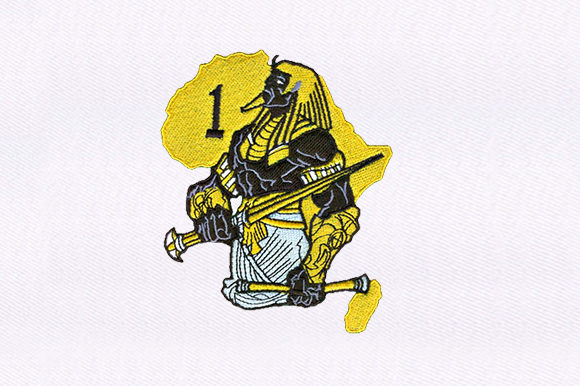
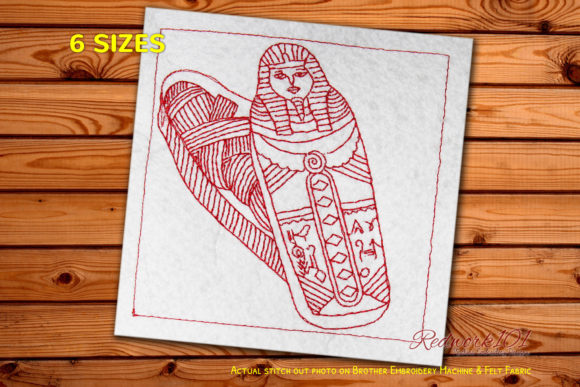
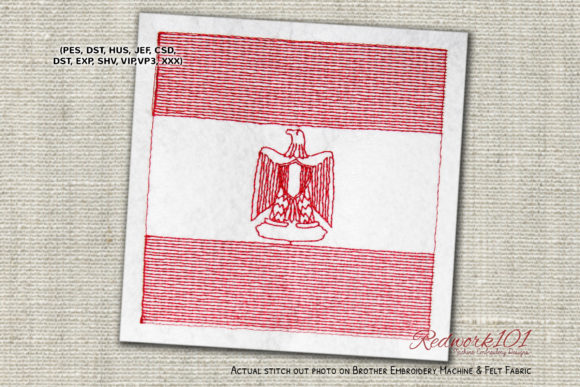
The title Egyptian Flag Bluework suggests a design rooted in national symbolism with a focus on the color blue. This offers a distinct starting point. The optional ‘Box Stitch’ mentioned in the description indicates a border element, a common framing technique in patch design. My initial impression is that this design leans classic and structured. It feels professional and emblematic, suitable for a business wanting to convey heritage, connection, or a specific geographic identity, perhaps linked to Africa. It’s neither overtly playful nor rustic; its strength lies in its symbolic clarity.
Performance in Real Business Applications
When considering any embroidery file for business, I immediately visualize it across common applications. Here’s how Egyptian Flag Bluework could perform.
Embroidered Patches for Versatile Branding
This design is a prime candidate for custom embroidered patches. The optional border stitch creates a natural finished edge, ideal for a standalone patch to be applied to bags, jackets, or as a product label. For a small café or boutique with a thematic connection, a patch on a tote bag becomes a subtle brand mark. A handmade shop could use it as a authenticity label on products.
Uniforms and Workwear for Professional Cohesion
Applied to staff uniforms, aprons, or work shirts, this design acts as a unifying crest. For a creative studio or local business with team apparel, it adds a layer of visual identity without overwhelming the garment. On a chef’s apron or a service staff’s polo shirt, it would read as a confident, clean accent.
Cap Embroidery and Accessory Details
For cap fronts or sleeve details, the key consideration is size simplification. The design would need to be tested at a smaller scale to ensure the core elements remain clear, especially if any lettering or fine details are included. It could work well for event merch or as part of a uniform set.
Merchandise and Product Value Enhancement
Stitching this onto premium tote bags, as a detail on product packaging, or as an accent on customer gift items elevates the perceived value. It signals care and customization. For an Etsy seller or craft business, it transforms a generic item into branded merchandise.
Careful Application: Where to Pay Attention
Not every design works everywhere. For Egyptian Flag Bluework, practical considerations are vital for a successful finished product.
Small patch sizes require simplification. If the design is dense or detailed, reducing it for a cap front or tiny label might lose definition. Always test it at the intended small patch size first.
Curved surfaces like caps demand adjusted stitch angles and stabilizer choice. High stitch density can make a design stiff on flexible fabrics like knit caps.
Fabric texture and color matter. The ‘bluework’ focus implies a primary color palette. On dark uniforms or fabrics, thread color contrast is essential for visibility. Test on real fabric samples.
Items needing frequent washing, like aprons or work shirts, require robust stitching. Check that outlines and fills are secure to withstand laundering.
Impact on Brand Identity and Customer Perception
Using a design like this isn't just decoration; it's a brand decision. Egyptian Flag Bluework can anchor visual consistency across your touchpoints. A customer seeing the same emblem on a staff apron, a store tote, and a product label builds subconscious recognition and trust.
It communicates professionalism and intentionality, separating a homemade look from a handmade product with commercial intent. For a bakery, florist, or pet brand, it can signal a specific story or ethos, adding depth to the buyer engagement.
Practical Designer Notes Before Production
Before running this embroidery file for any business use, I follow a standard review protocol.
- Test in Black and White: Convert the design to a simple outline mockup. This reveals the core structure without color, ensuring it holds its form.
- Review Thread Color Contrast: Based on the ‘bluework’ description, plan the thread palette. Consider how it will appear on your chosen fabric colors.
- Inspect Spacing and Density: Check that elements aren’t too close for clean stitching, especially if the optional box stitch is included.
- Confirm Hoop Size Compatibility: Ensure the design dimensions fit the hoops you use for your target items (caps, patches, large apparel).
- Use Proper Stabilizer: Match stabilizer type to the fabric—critical for a clean finish on everything from heavy totes to lightweight polos.
- Create a Printable Mockup for Client Approval: If designing for a client’s brand, always provide a visual mockup before stitching.
- Compare Beside Other Design Assets: See how it fits within your existing brand visuals for coherence.
- Confirm Commercial Licensing: Verify the digital embroidery file license allows for commercial use on products you intend to sell. This is a fundamental step.
Remember, the product description notes that the box stitch color may vary and can be optional. This flexibility is useful; you can adapt the border to match your brand colors or simplify the design entirely. Always check the specific file details for stitch count, exact file formats, and any included license terms before moving to production.
Final Verdict for Small Business Use
Egyptian Flag Bluework presents as a viable, symbolic design asset for businesses seeking a classic emblem. Its potential as an embroidered patch is strong. For uniform accents and merchandise, it can enhance brand identity with a professional touch. Success hinges on thoughtful application—testing at size, choosing fabrics wisely, and ensuring technical execution is clean. For the small business owner, embroidery shop, or merch creator looking to incorporate a design with geographic resonance into their custom apparel or product line, this file warrants a close, practical review. Treat it as a key design asset, prepare it with care, and it can become a trusted part of your branded world.