Native American Embroidery Design: A Designer’s Real-World Review
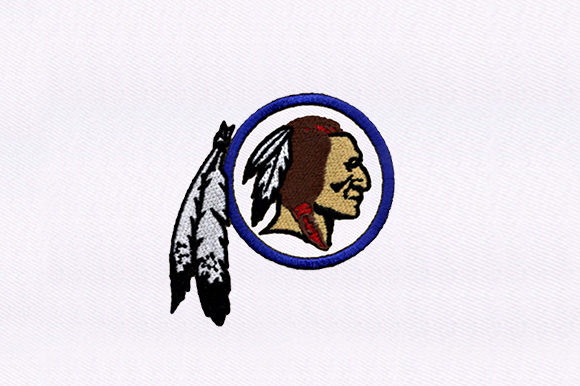
When I first loaded the Native American embroidery design, my immediate reaction was one of respect for its theme. This isn’t a casual, simplified graphic; it’s a detailed portrait of an Indian Chief, carrying a sense of dignity and historical weight. The visual personality is strong and centered, making it feel like a standalone statement piece rather than a background element. That first impression told me this design belongs on projects where the embroidery itself is the focal point—the hero of the item.
The Mood It Creates and Where It Naturally Belongs
The design’s mood is solemn and iconic. It evokes craftsmanship and tradition, which directly influences what I’d use it for. I instantly pictured it on a sturdy, natural-fiber tote bag for a client who values heritage styles, or as a striking centerpiece on a denim jacket for a boutique product line. It wouldn’t feel right on a whimsical baby bib or a playful kitchen towel; its gravity suits more substantial items. For my own craft business, I saw its potential on high-value items like premium pillow covers for home decor or as a custom embroidered patch for a collector.
Performance Across Real-Life Projects
In practical application, this detailed machine embroidery design performs differently depending on the canvas. On a heavyweight sweatshirt or a canvas tote bag, the detail level should translate beautifully, adding significant perceived value. For apparel decorators considering custom apparel like t-shirts, careful fabric choice is key—the stitch density will need a stable base to prevent puckering. As a personalized gift, such as a framed embroidered piece or a special blanket, it becomes a memorable heirloom-type item.
For Etsy sellers and small shop owners creating merchandise, this design can anchor a product line. It has the recognition factor that can attract buyers looking for something with substance. In printable mockups for digital product sellers, the clear, iconic shape makes for an attractive preview. However, its complexity means it might not be the best “quick stitch” for high-volume craft fair products where speed is essential; it feels more suited to deliberate, quality-focused pieces.
Where This Design Requires Extra Consideration
Given the detail, there are scenarios where I’d use the Native American design carefully, or possibly avoid it. Small hoop sizes could compress the features and lose clarity. Textured or stretchy fabrics like thin jersey could distort the finer lines, and dark fabric backgrounds require meticulous thread color contrast planning to ensure the portrait’s features remain distinct.
Curved surfaces like caps present a challenge; the central, portrait-style layout might not adapt well to the curvature without significant digitizing adjustments. Products needing frequent washing, like aprons or tea towels, would require a robust stabilizer and stitch integrity to maintain the design’s dignity over time. The design’s density in areas like the facial features means testing on scrap fabric first is non-optional—it’s a professional habit that prevents costly mistakes on final goods.
Impact on Visual Appeal and Customer Perception
Stitching this design correctly elevates a product’s visual appeal dramatically. Its stitching clarity communicates professionalism and skill, which builds customer trust. For handmade presentation, it signals that the maker invested time and care. This enhances giftability and brand consistency for creative entrepreneurs offering a line of similar quality items. A well-executed version on, say, a high-quality sweatshirt embroidery, feels like a commercial-grade finished product, not a hobbyist experiment.
Practical Notes From the Embroidery Hoop
Before running this embroidery file on any real project, my checklist would be extensive. Beyond the universal scrap-fabric test, I’d review the stitch density by previewing the file carefully. I’d confirm the hoop size needed by measuring the design dimensions, a step often overlooked. Inspecting the small details, like potential tiny line work, is crucial to avoid thread breaks or fills.
I always test designs in both light and dark fabric mockups, mentally or digitally, to gauge thread color contrast. Using proper stabilizer is paramount—for this design, I’d likely opt for a firm cutaway on most garments. A critical note for all makers: check whether the design’s licensing clearly allows for commercial embroidery projects and selling finished items. This due diligence protects your craft business.
Finally, considering the North America category theme, it fits a specific niche. Its use should be respectful and context-appropriate, aligning with products that honor craftsmanship. This Native American embroidery design, when applied thoughtfully, becomes more than just a digital embroidery file—it becomes a design asset that can define a product’s entire character.