Reviewing the 70s Afro Man Design for Branded Merchandise
As an embroidery designer working with small businesses, I’m constantly evaluating digital files for their potential as branded assets. When a client brings the 70s Afro Man Design to me for a merch project, my first thought isn’t just about decoration; it’s about how this machine embroidery design will function as a piece of their brand identity.
A Bold First Impression for Small Business Merch
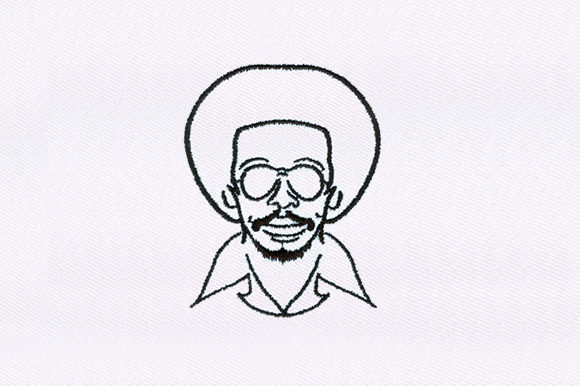
The title itself—70s Afro Man Design—immediately evokes a playful, retro, and confident vibe. This isn’t a subtle, minimalist logo. It’s a bold, character-driven statement piece. For a café with a soul music theme, a creative studio, or a boutique with a funky aesthetic, this design feels instantly friendly and engaging. It carries a handmade, artistic energy that can make a custom apparel line or a series of embroidered patches feel unique and personal, which is exactly what customers of small handmade brands are looking for.
Where This Embroidery File Thrives in Commercial Use
The strength of this design lies in its clear, iconic silhouette. For a small business looking to create staff uniforms or aprons, the 70s Afro Man Design would work wonderfully as a chest logo accent or a sleeve detail. Its bold shapes mean it can be embroidered at a moderate size and remain highly recognizable. For merchandise like tote bags or as a cap embroidery on the front panel, it creates a memorable mark without needing tiny, complicated details. It’s perfect for event merch or as a customer gift that reinforces a brand’s playful personality.
For an Etsy seller or craft business, this design can be a versatile asset. It could serve as the main branding element on product labels for record sleeves, vintage-inspired goods, or as an accent on handmade product packaging. Creating a printable mockup with this design on an apron or work shirt can quickly show a client how it elevates the perceived value and visual consistency of their merchandise line.
Practical Considerations for Professional Results
While the design is bold, successful application requires a professional approach. The listed embroidery file formats—including DST, PES, JEF, and others—mean it’s compatible with most commercial machines, which is crucial for production. However, before running any fabric, I always advise a few key steps.
- Test in Black and White First: Embroider a simple version to check the structure without color distractions. This reveals any potential issues with spacing or stitch paths.
- Check Small Patch Size Performance: If the client wants a small patch for a product tag or hat, test it at that reduced size. Bold designs can sometimes lose definition if scaled down too much.
- Review Thread Color Contrast: The retro theme might suggest specific color palettes. Test on both light and dark uniforms to ensure the chosen threads provide enough pop.
- Inspect on Real Fabric with Proper Stabilizer: Never rely on the screen preview. Hoop the actual fabric—be it denim for a tote, twill for a cap, or polyester for an apron—and use the appropriate stabilizer. The fabric texture and stitch density will greatly affect the final look.
- Confirm Commercial Licensing: The product description states this is a machine embroidery design for embroidery. It is essential to verify the specific license terms for commercial embroidery use before producing any items for sale.
Careful Application on Specific Items
There are places where the 70s Afro Man Design should be applied with extra care. On curved surfaces like the front of a baseball cap, the design's proportions might need slight adjustment in the software to prevent distortion. For items that will undergo frequent washing, like staff polos or kitchen aprons, a robust stitch structure is key. I would recommend testing the finished product through a few wash cycles to ensure durability. Also, if any tiny lettering is part of the design (not mentioned in the description, but worth checking), it must be evaluated for readability at small sizes.
Building Brand Identity with Embroidered Character
Ultimately, choosing an embroidery file like this is a branding decision. The 70s Afro Man Design injects a specific personality: retro, musical, confident, and approachable. For a business, this directly affects customer recognition and trust. A well-executed embroidered patch on a uniform signals professionalism and attention to detail. On merchandise, it increases product value and buyer engagement because it tells a story. When a customer sees this design consistently across a boutique’s apron, tote bag, and event giveaway, it builds a cohesive and memorable brand experience.
My final note to any apparel decorator or merch creator considering this digital embroidery file: treat it as a serious design asset. Create a test batch, compare it beside your other branding elements, and get client feedback via a physical mockup. The 70s Afro Man Design has the bold character to become a central, beloved part of a small business’s visual identity, but only if it’s executed with the same care and professionalism that your business embodies.