African Forest Elephant: A Gentle Giant for Personalized Gifts
As an embroidery designer planning a new line of personalized gift products, I always test a design thoroughly before it goes to a real customer. Today, I’m reviewing the African Forest Elephant embroidery design, imagining it stitched onto a baby blanket for a new arrival or a kitchen towel as a housewarming present. My first impression? This is a charming, elegant design with a deep emotional appeal.
The Emotional Craft of a Linear Elephant
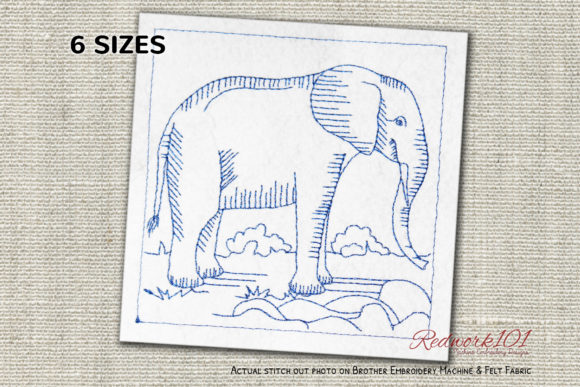
The description calls it a “beautiful linear embroidery,” and that’s precisely its magic. The lines are clean and graceful, capturing the soul of Africa’s gentle giant without overwhelming detail. It feels handmade and artistic, not just a technical graphic. This creates an immediate emotional connection. The mood is sweet and classic, with a touch of serene wilderness. It doesn’t shout; it whispers a story of nature, family, and gentle strength. That’s a powerful combination for a personalized gift.
Think of the customer who wants a meaningful gift beyond a generic logo. This design attracts those valuing symbolism, nature lovers, parents wanting a unique nursery theme, or a couple seeking a sophisticated wedding keepsake. The African Forest Elephant isn’t playful or seasonal; it’s timeless. It elevates a simple towel or pillow into a cherished item.
From Baby Blankets to Wedding Keepsakes: Applications
This machine embroidery design is a versatile gem for small businesses. Let’s walk through some real-case scenarios.
For baby embroidery, it’s perfect. Stitched on a blanket, swaddle, or nursery pillow cover, it becomes a heartfelt heirloom. The linear style is soft and safe, avoiding overly complex details that might not translate well on delicate fabrics. For wedding gifts, imagine it embroidered on a pair of premium kitchen towels or a custom tote bag for the honeymoon—a symbol of steadfast partnership.
As a family keepsake, it works beautifully on aprons or wall hangings. For Etsy sellers and craft fair vendors, this design offers a product that stands out. You can create entire lines: embroidered towels with the elephant, pillow covers for a living room, or blanket embroidery for a cozy gift. The key is its adaptability. Since it comes with multiple embroidery file formats, it’s ready for various machines and projects, making it a reliable digital embroidery file for your shop.
Where Careful Planning is Key
While versatile, any professional knows that success depends on mindful application. Here’s where I’d be cautious with the African Forest Elephant.
- Small Lettering & Delicate Details: If you plan to add a name or date alongside it, ensure your thread colors and stitch density are compatible. The elephant’s elegance could be crowded by poorly scaled text.
- Textured or Thick Fabrics: On items like thick towels or dense blankets, you must use the proper stabilizer and possibly test stitch density to ensure the linear lines remain crisp.
- Stretchy Baby Clothes & Curved Surfaces: Embroidering on stretchy knits or curved items like caps requires extra stabilization to prevent distortion of those clean lines.
- Dark Fabric: The design’s beauty relies on contrast. On dark fabric, you’ll need to choose thread colors strategically—perhaps a light grey or cream—and always create a printable mockup first to visualize it.
- Products for Frequent Washing: For kitchen towels or aprons, ensure your thread and stabilization choices are durable to maintain the design’s integrity over many washes.
Boosting Your Gift Business with This Design
How does the African Forest Elephant affect your business? It significantly enhances giftability and perceived value. A customer sees an embroidered tote with this design not as just a bag, but as a personalized gift with a narrative. That builds customer trust and showcases true handmade quality.
For product photography and buyer engagement, it’s a winner. The clean lines photograph beautifully on both light and dark backgrounds, making your Etsy listings and custom order previews more compelling. It tells a story in the image, inviting customers to imagine it on their own baby embroidery project or wedding gift. This emotional connection turns viewers into buyers.
Practical Embroidery Notes Before You Stitch
Before you run this design on a customer’s precious blanket, here’s my checklist from the designer’s chair.
- Always test on scrap fabric identical to your final product. Check the feel of the fabric texture with the stitches.
- Review thread color contrast thoroughly. Do a light and dark fabric mockup digitally first.
- Confirm the required hoop size from the design files before starting. A mismatch can ruin the layout.
- Review the stitch density on your test piece. Is it too dense for a thin baby cloth or too light for a towel?
- Use the proper stabilizer for each application—no one stabilizer works for all projects.
- After stitching, check small details like the elephant’s ear curves or tusk lines for any skipped stitches.
- Most critically, confirm commercial licensing before selling finished products. The description notes it comes with multiple formats, but verify the license terms to ensure your small shop product or commercial embroidery is fully covered.
In the world of Wild Animals and Embroidery, the African Forest Elephant design stands out as a profoundly versatile tool. It’s more than a digital file; it’s a key to creating personalized gifts that resonate on an emotional level. For the crafter, baby product creator, or wedding gift designer, it offers a classic, elegant motif that, when executed with care, becomes a cherished piece of art. My final note? Embrace its gentle lines, plan your applications thoughtfully, and it will become a trusted favorite in your collection of machine embroidery designs for years to come.