Reviewing the Duiker Head ITH Key Fob Pattern for Boutique Apparel
When a boutique client approached me about a new sweatshirt collection, they wanted something distinctive yet wearable, a design that felt both earthy and polished. The request was for a series of neutral-toned, premium hoodies with a unique embroidered accent. As I reviewed potential designs, the Duiker Head ITH Key Fob Pattern immediately stood out from the typical floral or geometric motifs. Its wild animal theme offered a strong, narrative quality perfect for building a brand identity around craftsmanship and natural elegance.
First Impression: A Bold Yet Detailed Statement
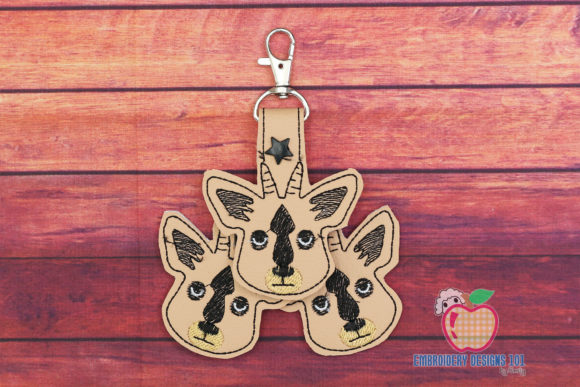
My first thought was how this design balances boldness with intricate detail. A duiker’s head is a powerful, recognizable silhouette, but within that shape, the stitching personality suggests a lot of texture—ideal for conveying a handmade, artisanal feel. The mood is rustic and grounded, yet the execution feels decidedly decorative and premium. It isn't overly cute or playful; it carries a sense of quiet strength. This is crucial for a small shop product aiming to look professional and thoughtfully designed, not just mass-produced.
The layout, being a contained 4x4 hoop-friendly design, is inherently versatile. For our sweatshirt project, this size is perfect for a chest placement on an oversized hoodie—a focal point without being overwhelming. It could also work beautifully as a repeated sleeve accent or a subtle back design. On a dark fabric like charcoal grey or navy, the contrast would be striking; on pastel colors like sage or cream, it would feel soft and sophisticated. The detail level appears sufficient to be readable at this small scale, which is a key concern for sweatshirt embroidery. A design that loses its definition when stitched small fails on apparel.
Practical Application for Sweatshirts & Hoodies
Applying a machine embroidery design like this to a sweatshirt requires thinking beyond the digital file. The fabric thickness of a premium hoodie is a primary consideration. A design with high stitch density can become too stiff or even puncture finer knit fabrics. From the description, the Duiker Head pattern includes three versions (Snap Tab, Eyelet, and Ribbon), which suggests the designer considered different applications, likely adjusting density. For commercial embroidery on apparel, we need a file that stitches cleanly without excessive punching.
Thread color contrast will define the final look. Using a monochrome scheme—a deep brown on a tan sweatshirt—would enhance the rustic, minimal vibe. Introducing two or three tones could make it feel more illustrative and bold. The choice of stabilizer is equally important; a cutaway might be necessary for the sweatshirt’s stretch, ensuring the design holds its shape after multiple washes. This durability is non-negotiable for building buyer trust. A design that frays or distorts won’t support a brand claiming quality.
Hoop Placement and Production Flow
The note about being 4x4 hoop friendly, or usable in a 5x7 hoop, is a practical advantage for a small operation. It means I can run this on a standard machine without needing special equipment, streamlining production for a limited drop. Placement on the garment is easier to control with a smaller hoop, allowing for precise positioning on the chest or sleeve. For a boutique brand, every stitch placement needs to be consistent across the collection to maintain a professional, cohesive look.
Thinking about the finished product on a garment, this design elevates a simple sweatshirt into a custom apparel piece. It becomes boutique merchandise with a story. In lifestyle product photography or printable mockups, the embroidered detail adds texture and depth, making the item more visually engaging in an Etsy listing or online shop. It signals a handmade product, which directly affects perceived value and customer engagement.
Building Brand Identity with a Wild Animal Motif
Choosing a design from the Wild Animals category isn’t just about aesthetics; it’s a branding decision. The duiker head can become a visual recognition point for the brand. It feels unique compared to ubiquitous motifs, helping a small clothing brand stand out. It can convey themes of agility, nature, or elegance, depending on how the brand frames it. This particular embroidery file serves as more than just decoration; it’s a design asset that can be used consistently across different products, reinforcing identity.
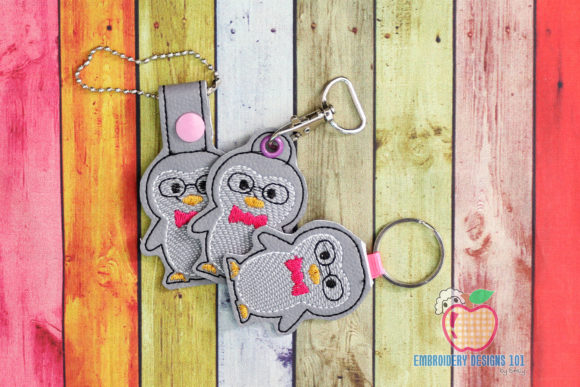
For the creative entrepreneur, this pattern’s versatility is a asset. The included Snap Tab, Eyelet, and Ribbon versions mean it’s not limited to apparel. It could be stitched as a physical key fob for promotional merchandise or as a patch, adding another product line. This flexibility maximizes the value of a single digital embroidery file purchase.
Final Considerations for Commercial Use
Before committing this design to a sweatshirt collection, I must address a few final professional concerns. While the description provides essential hoop size information, I would need to verify the exact stitch density and recommended file formats for my machine to ensure smooth production. I’d also test it on a scrap of similar sweatshirt fabric to check for puckering and the overall feel. Does the final stitchwork feel strong enough for commercial apparel use? From its structured appearance and multiple format options, the design seems built for durability.
The Duiker Head ITH Key Fob Pattern ultimately feels like a robust, well-conceived design. It leans decorative and premium, capable of transforming a casual, cozy hoodie into a statement piece. It supports a handmade presentation without sacrificing professional polish. For embroidery shops and apparel decorators working with small clothing brands, this pattern offers a compelling blend of distinctive artistry and practical application, making it a strong candidate for a collection that needs to resonate visually and hold up physically.